For writers, poets and zine-makers
Chapbooks, zines, and the next chapter
Sell the physical thing you made on a kitchen table, serialise the next one to patrons who pay monthly, and find the illustrator, the designer and the person who will read it before anybody else does.

The small press problem
You made ninety of something and now you are a postal service
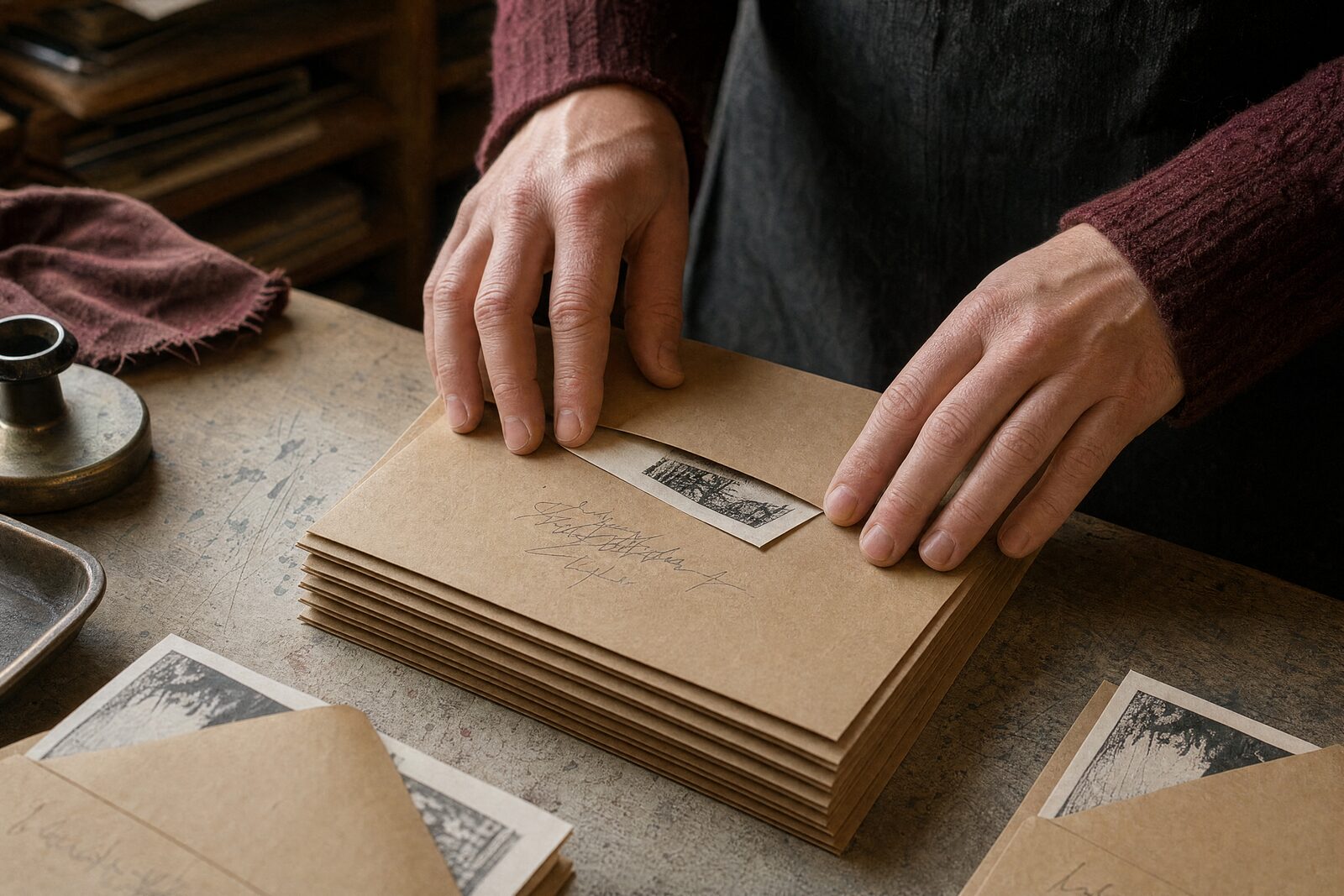
Small print runs are sold by writers who did not want to spend their Saturday weighing envelopes, taking payments through three different apps and forgetting who has been sent what.
A storefront handles the money and the order list. You handle the envelopes, which is the only part of it that was ever any fun. And the digital version delivers itself.

The money
Four ways writing pays here
Chapbooks, zines, pamphlets, risograph runs, the numbered edition with the good cover. Your postage, your terms.
Digital
PDFs and ebooks delivered by an expiring link, replaced for every buyer whenever you fix the typo on page nine.
Serialised for patrons
A chapter a month, the notes, the version you cut. The oldest way of funding a book, with the billing done for you.
Read moreReadings, recorded
Put a reading out as a release and it streams to anyone — and a podcast or a broadcaster can license it at the price you set.
Read moreThe club
The people a book needs
-
An illustrator who wants to do this
Post the call. Say the format, the number of pieces, the money if there is money, and the date.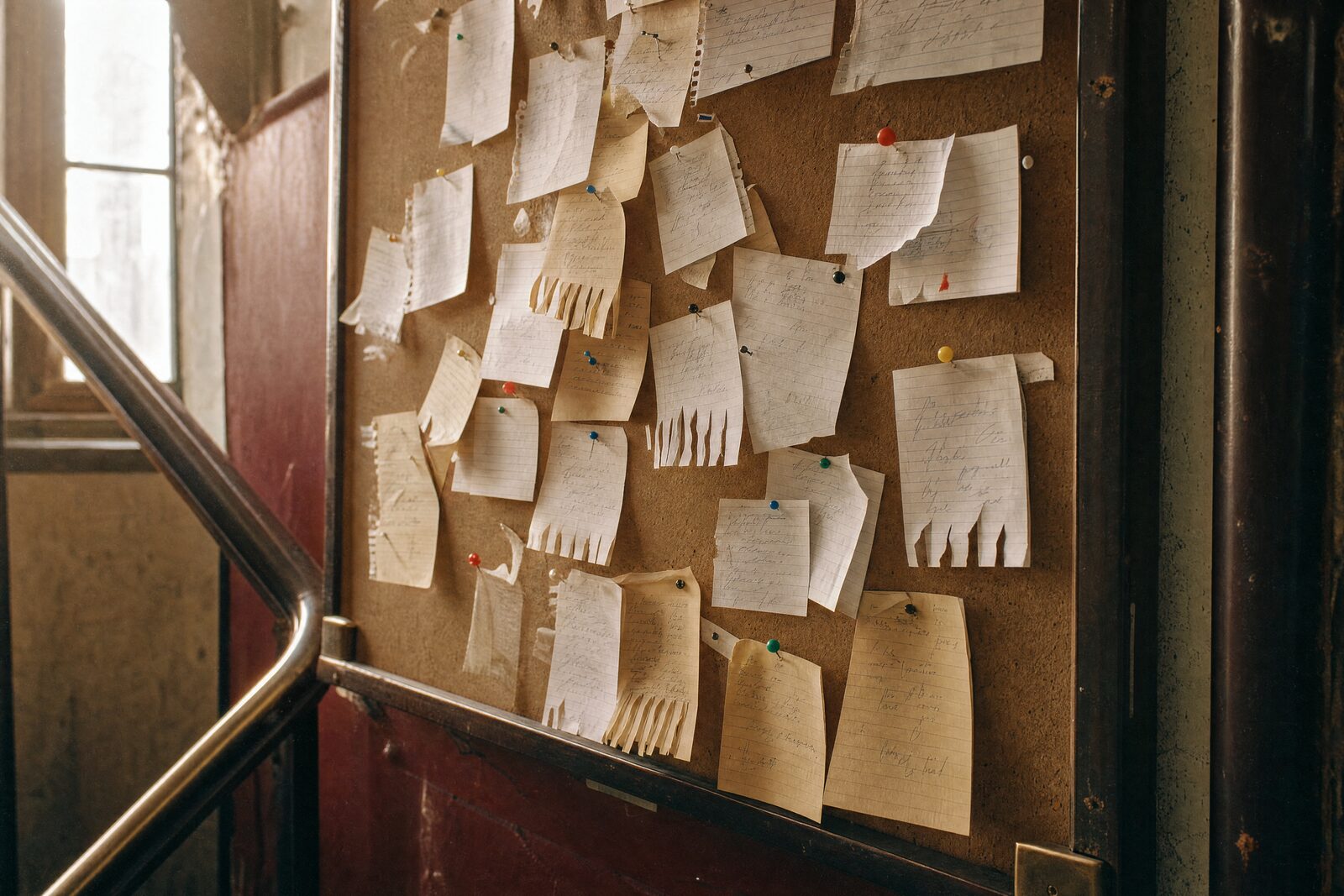
-
A designer and a printer
Members who set type properly and know which risograph will take your paper. Some of them will swap for words.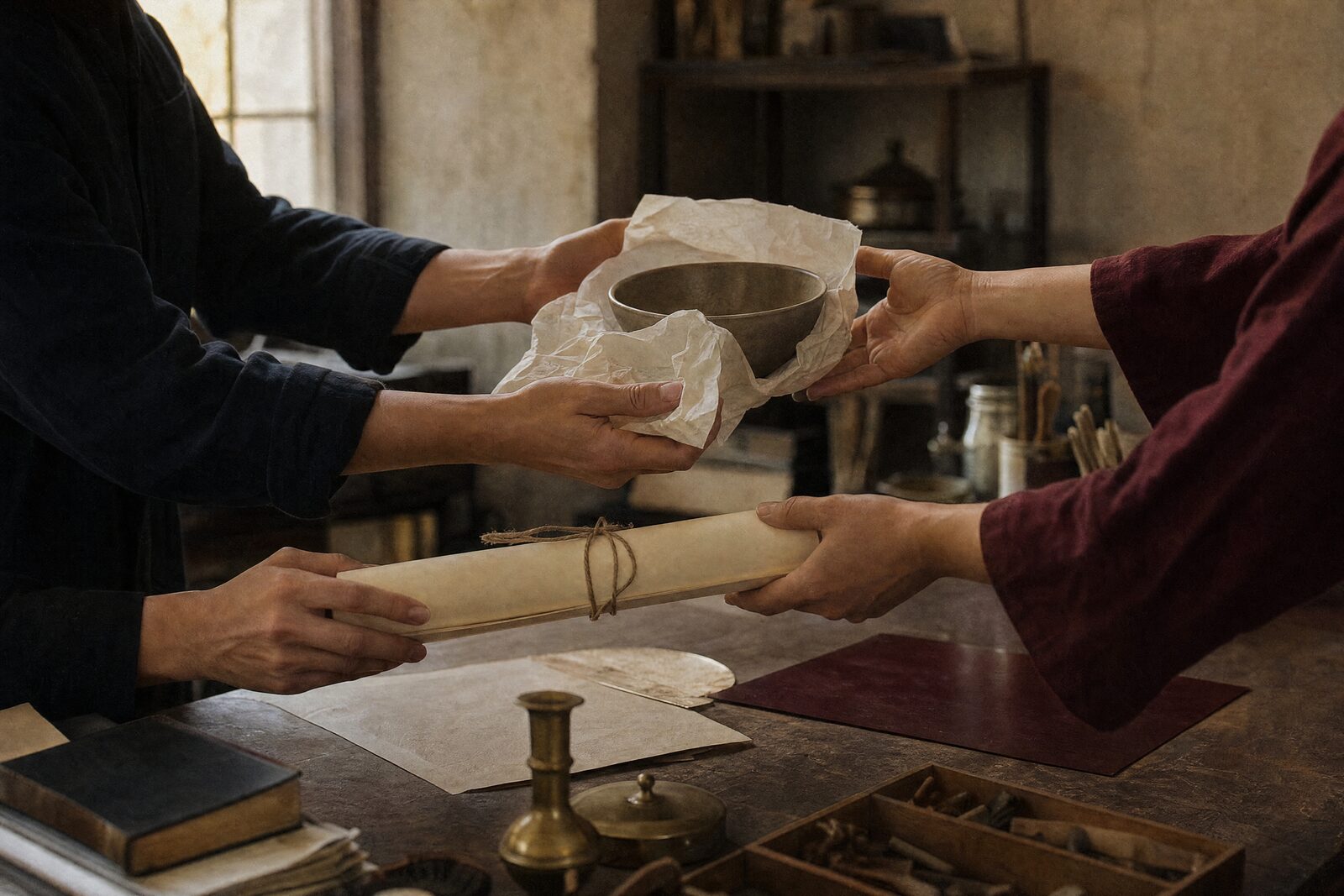
-
A reading, with actual chairs
Small, in a studio, to eleven people who will buy the thing afterwards because they were in the room.
-
Somebody who has published one
Six months of a mentor for the parts nobody explains — rights, contracts, what an advance actually means.
Forty-two people pay me six dollars a month for a chapter and the notes. It is not a book deal. It is the first time writing has paid anything on a schedule, and the illustrator came from a card on a board.

Questions about writers
Can I serialise something unfinished?
Do you print or distribute for me?
Who owns the writing?
Can I pay an illustrator through Phyrne?
Sell the ninety you made, then serialise the next one
The storefront handles the money. The club has the illustrator you have been meaning to ask.