Patronage
People who would fund the next one
A patronage tier is a monthly arrangement between you and somebody who wants the work to keep happening. You say what they get. We bill it, remind them, chase the failed cards, and pay you.
Why it works here
Patrons come from buyers, not from strangers
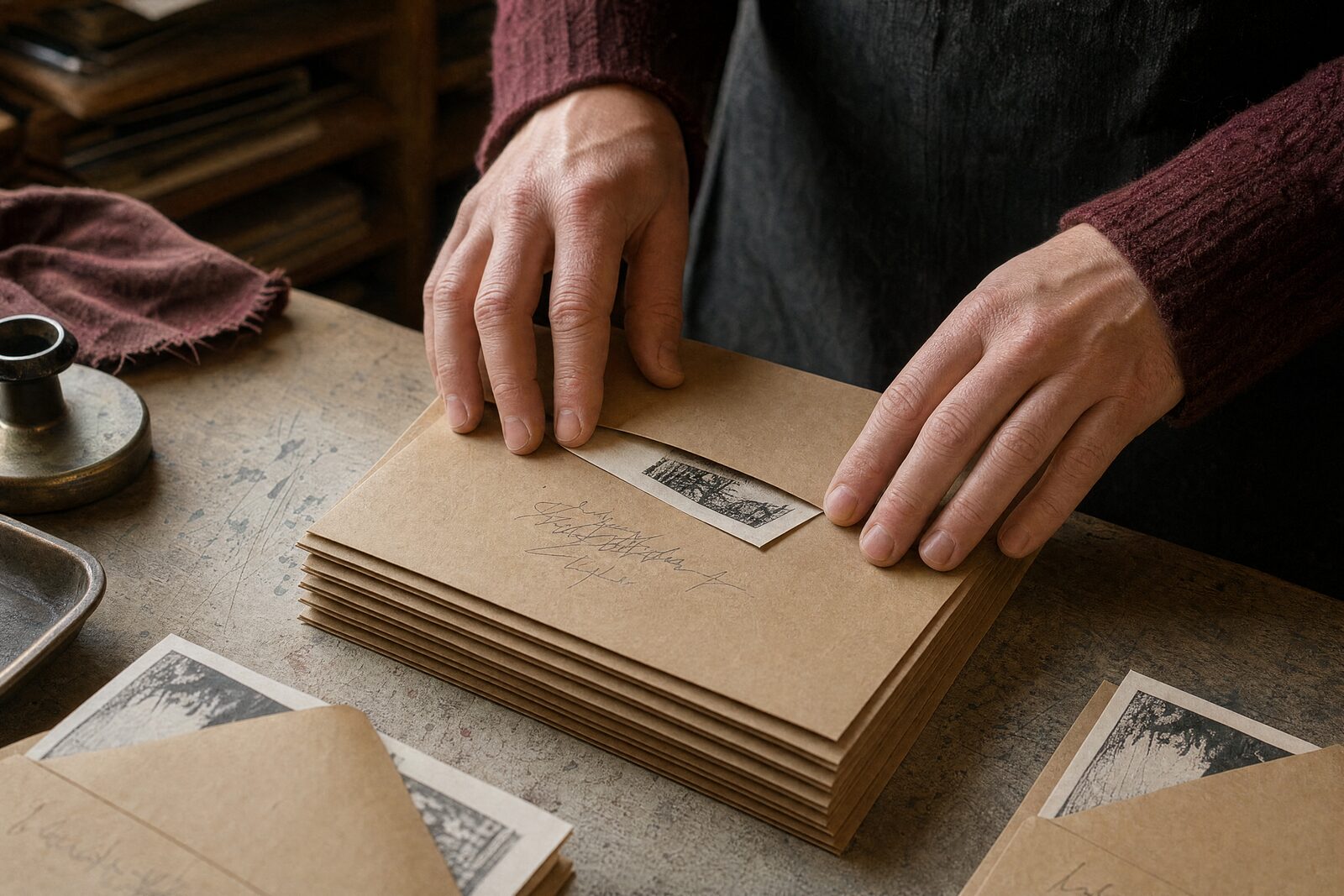
Almost nobody becomes a patron of someone they have never bought from. They buy a print, they like the print, and then they see there is a way to be sent the next four. That is why the tiers live on the storefront and not on a separate site with its own login.
Say patrons, not subscribers. It is a better word and it describes a better arrangement.

What a tier can be
Three tiers is usually two more than you need
The tiers that work are the ones you can still deliver in a bad month. Start with one.
The studio note
A letter a month about what is on the bench, what failed, what is next. Cheapest tier, most patrons, least work.
Work in progress
The sketch before the painting, the test tile before the glaze, the chapter before the edit. Sent to patrons with the note.
Something in the post
A print, a test pressing, an offcut, a zine. Quarterly beats monthly, and your patrons will tell you so.
The demos
For musicians and filmmakers, the rough mixes and the cuts that never came out, sent with the note. Your releases stay free for anybody to stream.
The room
A monthly call, a critique, a studio visit. Small tiers, higher prices, and the ones patrons keep longest.
A line in the credits
Patrons named in the sleeve notes, the end credits or the back of the zine. It costs you a line, and it is the one they show people.
The billing
The dull half, which we do
-
They join on your page
An email address and a card. The charge starts that day and renews monthly on the same date. -
We chase the failed cards
Expired and declined cards are retried and the patron gets a polite email. Most come back without you knowing anything went wrong. -
You deliver what you said
The tier says what a patron gets, in your words, and each patron's own page shows them the tier, what they pay and what it brings. The letter, the print, the call — you send it the way you always have. -
We pay you
Patronage pays out like everything else: our 8%, with Stripe's processing folded in, comes off each payment, and the rest goes to your Stripe account and on to your bank.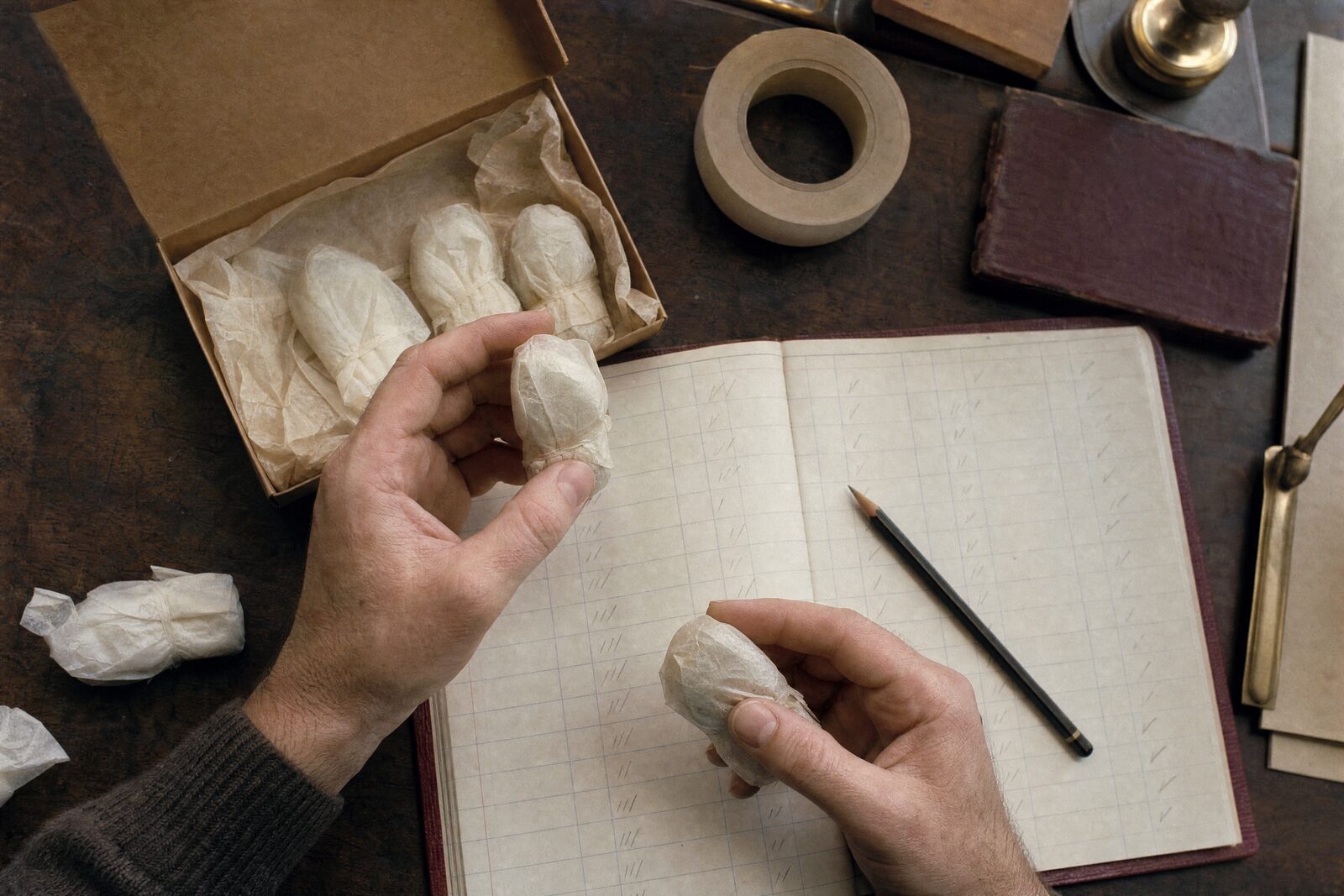
Leaving well
A patron who cancels should still like you
Patrons cancel from a link in an email, without writing to you and without an argument with a chatbot. They keep what they have already paid for until the month runs out, and they can come back on the same tier later.
Retiring a tier takes it off your page and nobody new can join it. It does not stop the patrons already on it: they stay at the price they joined at and keep paying until they cancel. If you are stopping, tell them before the next billing date, in the same place you deliver the tier, so nobody pays for a month you will not send.

Thirty-one people pay me nine dollars a month to hear what went wrong in the studio. It is not a living. It is the part of my income that does not care whether a gallery calls.
Go deeper



Questions about patronage
What does Phyrne take?
Can patrons pay yearly?
What happens to my patrons if I stop?
Do patrons get anything in the club?
Ask the people who already buy from you
A storefront comes with tiers. Write one, price it at what a bad month can deliver, and see who says yes.